Portfolio creature · Design + code · 2026
How I
was made.
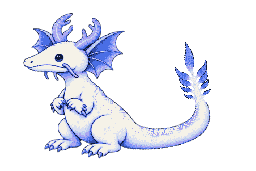
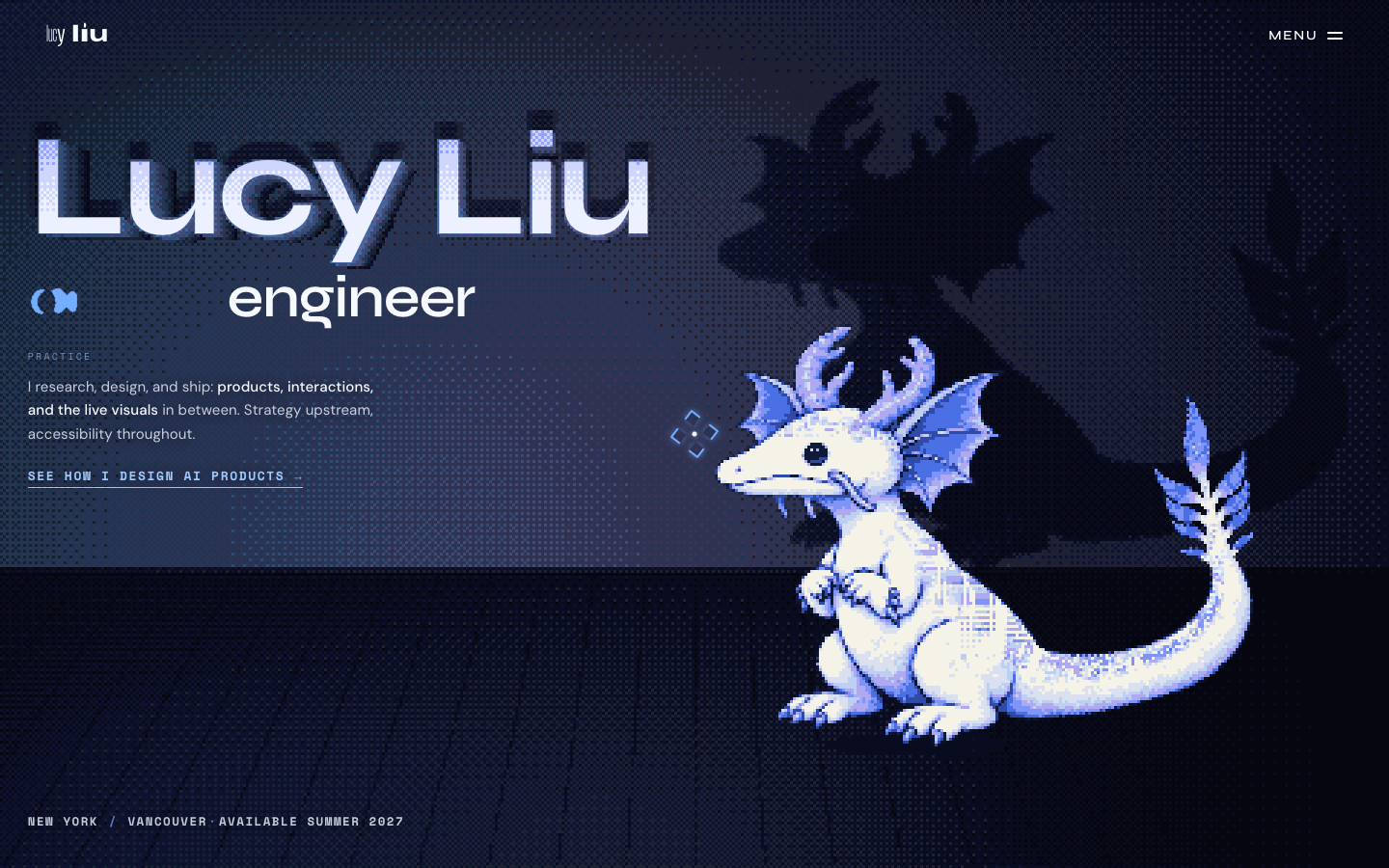
The creature who lives here has a story. I directed his appearance, worked out how he moves, and built his place in my portfolio with AI.
- My role
- Creative direction, interaction design, review
- Made with
- AI-assisted illustration and code, Blender pose studies, authored 2D animation
- Where he lives
- The hero, projector room, and About drawer
01 · Character
Give him a life
inside the site.
I wanted a creature who feels like he belongs here: curious, a little mischievous, and comfortable enough to nest in a drawer. His actions connect the rooms of the portfolio.
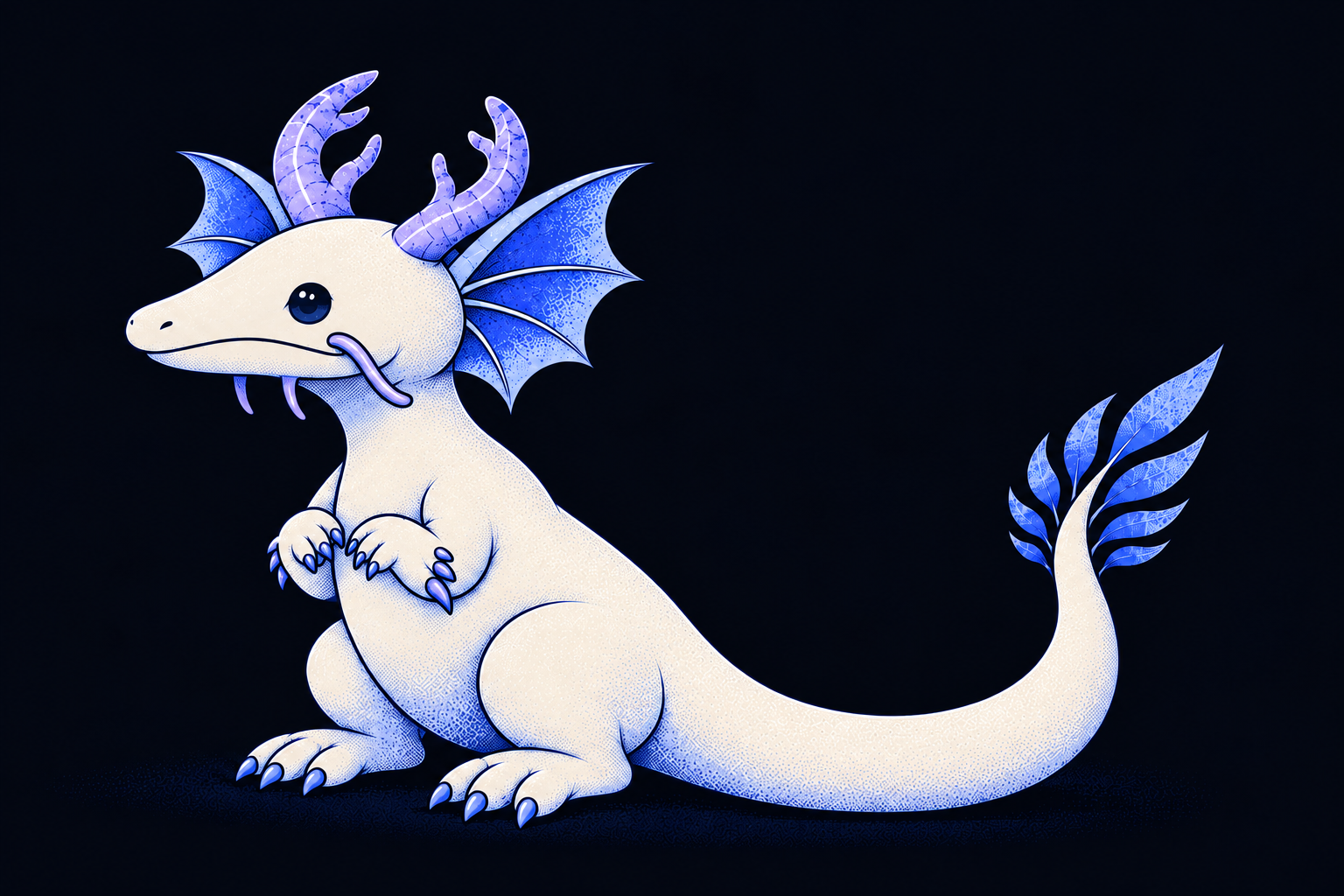
I used AI-generated concepts to develop his appearance, then directed revisions to the silhouette, horns, ears, face, and tail. The illustrated look became the reference I kept returning to.
02 · Motion studies
Work out the body
before the gesture.
A seated drawing leaves questions unanswered. How does he turn around? Where do his paws land? How does the tail follow his body into a drawer?
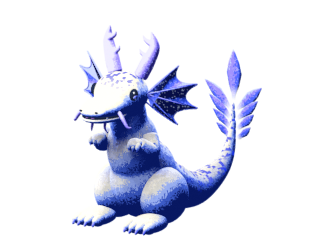
We developed a Blender model and rig to explore those poses and points of contact. It helped make the movement concrete, but I preferred the warmth of the original illustrated creature.
I chose to return to drawn 2D, keeping Blender as a reference for pose and contact.
03 · In the browser
Make his actions
part of the experience.
The final direction uses fixed 2D art and authored motion. He sits in the hero room, watches the projector, and climbs back into his drawer head first, with his tail following last.
The difficult part was keeping one character consistent across those actions while fitting the animation to real page states: opening, scrolling, resizing, and closing About. The implementation includes reduced-motion behavior and pauses work when a scene is hidden.
The frame archive
A lot happened
between these poses.
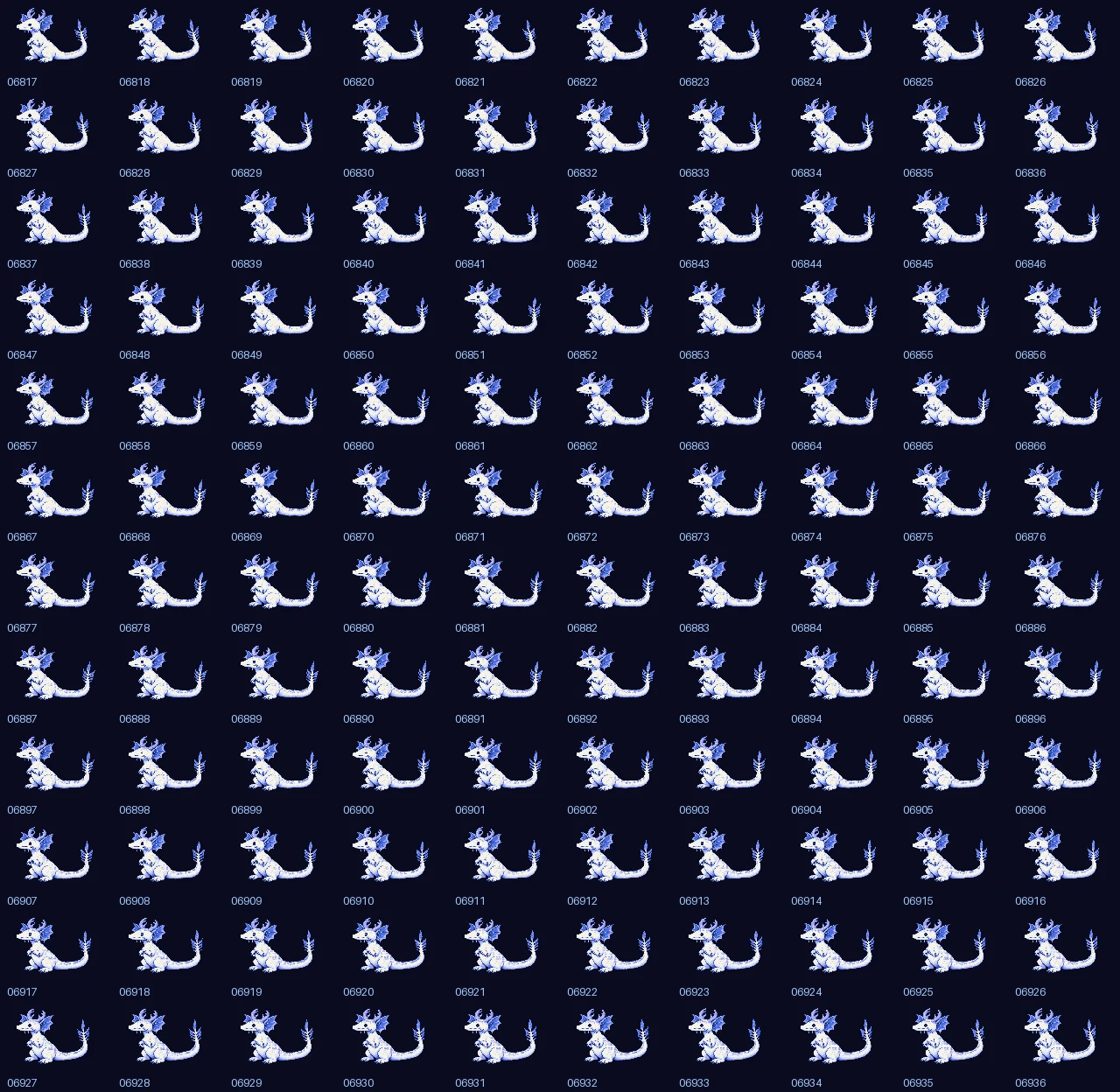
I kept the drawings, rendered frames, motion tests, and unused directions. They’re gathered into a dense archive of contact sheets, grouped by what I was working on.
Browse all his frames